The Growing Problems with Uber for Passengers and Drivers
On Monday, 12 January 2026, a coordinated call is circulating among UK private hire drivers urging a nationwide log off from the Uber app between 7 am and 2 pm. The action centres on dissatisfaction with pay structures, rising operating costs, and perceived imbalance between platform control and driver earnings. While similar actions have occurred before, the scale, timing, and messaging of this strike attempt mark a notable moment for the ride-hailing sector.
Messages shared across driver forums and social media channels encourage participants to stop accepting trips on Uber during the seven-hour window. Drivers are asked to demonstrate collective pressure by withholding labour while remaining free to operate on competing platforms such as Bolt.
The core demand centres on fare rates, which are described as outdated and disconnected from current-day costs. Comparisons are being drawn to historical wage levels, with claims that real terms earnings have eroded despite inflation, fuel price volatility, and higher compliance expenses.

Passenger Drawbacks of Uber
Passengers increasingly report inconsistent service quality and unpredictable pricing. Key concerns include:
- Surge pricing volatility
Fares can increase dramatically during peak hours, poor weather, or driver shortages, leaving passengers with no certainty of cost. - Reduced availability in rural and semi-rural areas
App-based platforms prioritise high-density urban zones, resulting in long wait times or no vehicles available on the outskirts of towns and cities. - Limited accountability
Customer support is app-based and remote, often slow to resolve urgent issues such as lost property, cancellations, or safety concerns. - Driver churn and inconsistency
High driver turnover leads to variable local knowledge, impacting journey efficiency and passenger experience.

Driver Drawbacks of Uber
For drivers, the challenges are structural and persistent:
- Declining real terms earnings
Base rates have not kept pace with fuel costs, insurance, vehicle finance, and licensing fees. - Algorithm-controlled pay
Drivers have little transparency over fare calculations, incentives, or sudden changes to earnings structures. - Income instability
Earnings fluctuate daily due to demand patterns and surge mechanics that benefit only a small number of drivers at specific times. - Self-employment risk without meaningful support
Drivers absorb vehicle wear, maintenance, and downtime while lacking reliable channels for representation or negotiation.
These pressures have led to repeated strike calls, yet meaningful change remains elusive due to fragmented participation.
Why Local Taxi Services Deliver Better Outcomes
In contrast, established local operators provide stability, transparency, and accountability that app-based platforms struggle to match.
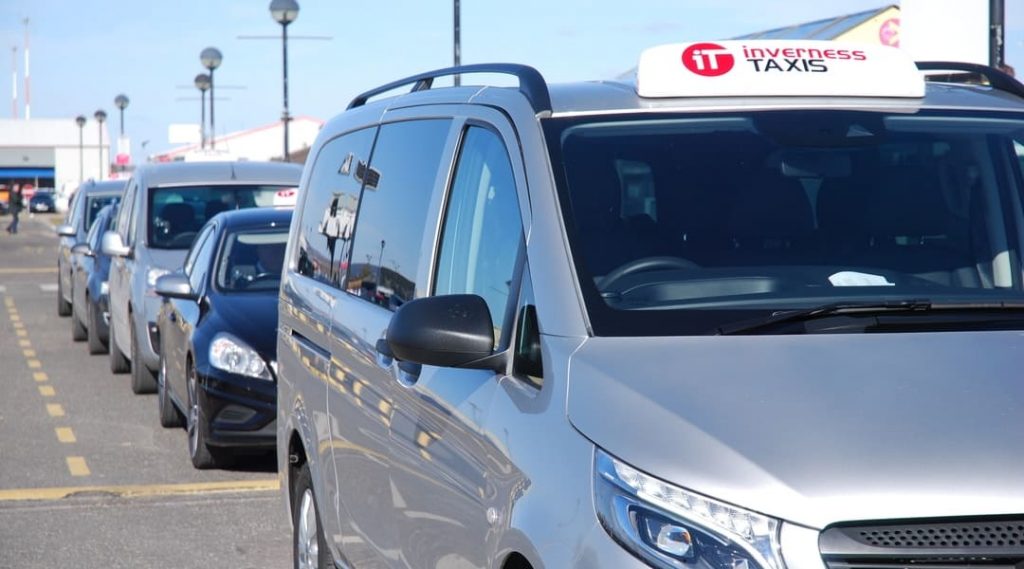
The Strength of Inverness Taxis
Local taxi services operate with a community-first model that benefits both passengers and drivers. Although Uber doesn’t operate in Inverness currently, it’s only a matter of time before they move in here, too.
Passenger benefits include:
- Fixed or clearly quoted fares with no surge pricing
- Reliable availability across Inverness and the wider Highlands
- Drivers with strong local knowledge of routes, weather conditions, and rural access
- Direct customer support with local accountability
Driver benefits include:
- Fairer and more predictable earnings
- Transparent commission structures
- Long-term working relationships with dispatch teams
- Reduced pressure from algorithm-driven demand manipulation
This balance creates a more consistent and professional service experience.
Safe Travel Through Technology That Puts Safety First
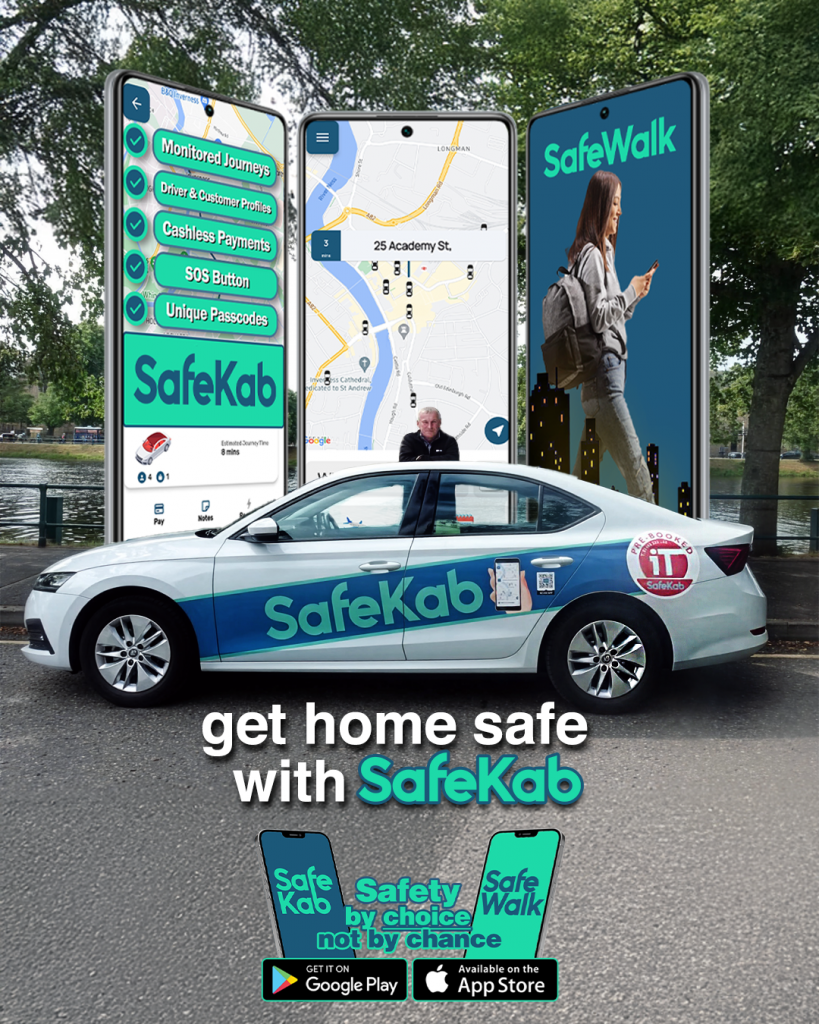
Modern passengers still value app convenience, but increasingly want safety and fairness built in by design. This is where SafeKab plays a vital role.
Why the SafeKab App Is Different
SafeKab enhances local taxi services rather than replacing them. Its model prioritises safety, trust, and fixed pricing.
Key advantages include:
- Fixed fares agreed in advance
- Verified local drivers and licensed vehicles
- Enhanced passenger safety features, including journey tracking and driver identification
- Support for ethical local operators, not multinational platforms
For drivers, SafeKab offers access to passengers without exploitative pricing models or opaque algorithms.
Uber vs Local Taxis in Inverness: A Clear Comparison
| Feature | Uber | Local Taxis and SafeKab |
|---|---|---|
| Pricing | App-based, remote | Fixed and transparent |
| Driver support | App based, remote | Local and direct |
| Coverage | Urban focused | City and rural Highlands |
| Accountability | Centralised | Local and regulated |
| Community impact | Extractive | Reinvests locally |
Why Inverness Passengers Are Choosing Local
As awareness grows around the true costs of app-based ride-hailing, passengers are making informed choices. Supporting local taxis means:
- Greater reliability in all weather conditions
- Fair treatment of drivers
- Stronger local economy
- Safer, more transparent journeys
Local services are not simply an alternative to Uber. They represent a more sustainable transport model for the Highlands.
The Future of Taxi Travel in Inverness
The challenges facing Uber drivers underline a broader issue with gig economy transport models. In Inverness, the solution already exists. Established local operators supported by safety-focused technology offer a better experience for everyone involved.
By choosing Inverness Taxis and the SafeKab app, passengers benefit from dependable service while drivers gain stability and respect. This approach ensures private hire transport in the Highlands remains safe, fair, and built for the long term.